Introduction
Fashion has always been an industry built on creativity, identity, and reinvention. But in today’s hyper-connected world, no brand succeeds in isolation. The latest fashion collaboration news reveals a sweeping shift in how labels, designers, and cultural icons join forces to create something entirely new. From luxury houses teaming up with streetwear giants to eco-conscious brands co-creating sustainable collections, collaborations have become one of the most powerful forces shaping modern fashion.
Whether you’re a fashion enthusiast, a retail professional, or a brand marketer, understanding how these partnerships work and why they matter is essential to staying relevant in a fast-moving industry.
Why Fashion Collaborations Are More Important Than Ever
The rise of digital media has changed how consumers discover and engage with fashion. Social platforms like Instagram, TikTok, and Pinterest have made it easier than ever for trend-driven content to go viral, and brands have quickly realized that collaborations generate enormous amounts of organic buzz.
When two well-known names come together, the announcement alone can drive thousands of shares, comments, and pre-orders. This hype creates a powerful marketing moment one that neither brand could achieve on its own.
Beyond marketing, collaborations serve deeper strategic purposes. They allow brands to access new audiences, experiment with unfamiliar aesthetics, and test the market without fully committing to a brand overhaul. For legacy labels, collaborating with younger or more culturally relevant partners is a way to signal evolution and stay in touch with contemporary tastes.
The Value of Cross-Industry Collaboration
Fashion is no longer just about clothing. Today, the industry intersects with music, technology, gaming, sports, and even food culture. Cross-industry collaborations like a fashion brand partnering with a video game franchise or a sportswear label joining forces with a luxury house bring in entirely new consumer segments and create cultural moments that transcend traditional fashion media.
These unexpected pairings generate significant press coverage and consumer interest precisely because they break the rules. They challenge what fashion can be and who it is for.
Types of Fashion Collaborations Making Headlines
Not all fashion collaborations are created equal. Each type serves a different purpose and targets a different audience. Here is a look at the most common formats you will find in today’s fashion collaboration news.
Luxury and Streetwear Partnerships
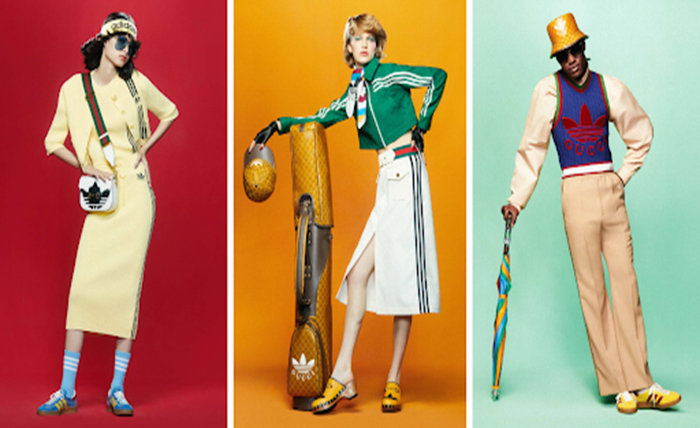
One of the most enduring collaboration formats is the pairing of luxury fashion houses with streetwear brands. These partnerships blend the craftsmanship and exclusivity of high fashion with the cultural relevance and youth appeal of street style.
These collaborations often generate some of the most talked-about drops in the industry. Limited availability drives demand to extraordinary heights, with some pieces reselling at multiples of their original price. For luxury brands, these partnerships are a way to tap into a younger demographic without diluting their core identity.
Celebrity and Brand Collaborations
Celebrity partnerships remain a cornerstone of fashion collaboration news. When a globally recognized figure co-designs a collection or serves as the creative face of a collaboration, it instantly amplifies reach and desirability.
The most successful celebrity collaborations go beyond simple endorsement. They involve the celebrity in the design process, resulting in products that reflect their personal aesthetic and resonate authentically with their fanbase. This authenticity is what separates a meaningful collaboration from a mere licensing deal.
Designer-to-Designer Collaborations
Sometimes the most creatively exciting partnerships happen between designers themselves. These collaborations bring together two distinct artistic visions and challenge both parties to push beyond their comfort zones.
Designer collaborations are often celebrated in the fashion world for their artistic merit as much as their commercial appeal. They can produce experimental pieces that redefine what a brand stands for and earn critical acclaim from fashion insiders and media alike.
Sustainability-Focused Collaborations
As consumers grow more environmentally conscious, sustainability-focused collaborations have become increasingly prominent in fashion collaboration news. Brands are partnering with eco-friendly material suppliers, ethical manufacturers, and even nonprofit organizations to create collections that align with shared values.
These collaborations serve a dual purpose: they help brands meet growing consumer demand for responsible fashion, and they often provide access to innovative materials and production methods that would be difficult to develop independently.
Key Trends Shaping Fashion Collaboration News Today
Digital and Virtual Collaborations
The rise of the metaverse and digital fashion has opened entirely new frontiers for brand partnerships. Fashion brands are now collaborating with gaming platforms, digital artists, and technology companies to create virtual clothing, NFT collections, and immersive brand experiences.
These digital collaborations are not just a novelty. They represent a genuine shift in how younger consumers engage with fashion, particularly Gen Z and Gen Alpha audiences who spend significant time in virtual spaces. Brands that establish themselves in these environments early are positioning themselves for long-term relevance.
Global and Cross-Cultural Partnerships
Fashion collaboration news increasingly reflects a globalized industry. Brands are reaching across continents to form partnerships that blend aesthetics, craftsmanship traditions, and cultural narratives from different parts of the world.
These cross-cultural collaborations bring fresh perspectives to design and help brands communicate a message of inclusivity and global awareness. They also open doors to international markets that might otherwise be difficult to penetrate.
Community-Driven Collaborations
A newer trend in the collaboration space involves brands partnering directly with their communities inviting loyal customers, social media followers, or niche subcultures to co-create products. This participatory approach deepens brand loyalty and produces collections with built-in audiences who feel personally invested in the outcome.
How Fashion Collaborations Influence Consumer Behavior
Fashion collaborations have a profound effect on how people shop and relate to brands. Several psychological and social mechanisms drive this influence.
Scarcity and Urgency
Most collaborations are limited edition by design. This scarcity creates urgency consumers know that if they do not act quickly, the opportunity will be gone. This dynamic drives immediate purchase decisions and generates post-release conversation about what people managed to buy (and what sold out before they could).
Social Proof and Identity
Wearing a piece from a high-profile collaboration is a form of cultural signaling. It communicates taste, awareness, and a connection to the moment. For many consumers, owning a collaboration piece is about belonging to a community of people who were in the know.
Trust Transfer
When two trusted brands collaborate, their reputations reinforce one another. Consumers who might not normally engage with one of the brands are more likely to trust it when it is endorsed by a brand they already love. This trust transfer is one of the most valuable outcomes of a well-matched collaboration.
The Business Case for Fashion Collaborations
Beyond creative excitement, collaborations make strong business sense. Here is why brands continue to invest in them.
Revenue and Profitability
Limited edition collaborative collections often command premium pricing. The exclusivity factor justifies higher price points, and the built-in demand reduces the need for heavy discounting. This results in healthier margins compared to standard seasonal releases.
Brand Equity
Collaborating with the right partner can significantly elevate a brand’s perceived value. For emerging brands, being associated with an established name lends immediate credibility. For established brands, partnering with a culturally relevant upstart signals vitality and forward-thinking.
Data and Market Intelligence
Collaborations also serve as real-world market tests. The consumer response to a collaborative collection provides valuable data about audience preferences, price sensitivity, and category expansion opportunities. Brands can use this intelligence to inform future product development and strategy.
Challenges Brands Must Navigate
Despite their many benefits, fashion collaborations come with real challenges that brands must plan for carefully.
Creative Alignment
When two brands have distinct aesthetic identities, finding a creative middle ground can be difficult. Disagreements about design direction, quality standards, or messaging can derail a collaboration before it reaches the market. Brands must invest time in the creative alignment process before any product development begins.
Brand Dilution Risk
Not all collaborations strengthen both parties equally. If the partnership feels forced or mismatched, it can confuse consumers and weaken brand identity. Careful partner selection is essential to avoid outcomes that feel inauthentic.
Logistics and Execution
Collaborative collections involve coordinating two separate organizations, often across different countries and time zones. Supply chain management, quality control, and launch timing all become more complex. Brands must build robust operational frameworks to ensure smooth execution.
The Future of Fashion Collaborations
Looking ahead, the trajectory of fashion collaboration news points toward even more ambitious and unexpected partnerships. Technology will play an increasingly central role, with AI-assisted design tools enabling new forms of co-creation between brands, designers, and even consumers.
Sustainability will remain a defining theme, with more collaborations focused on circular fashion models, zero-waste production, and transparent supply chains. Consumers are demanding accountability, and partnerships built around shared ethical commitments will gain credibility and loyalty.
The boundaries between fashion and other cultural domains art, music, sports, gaming, food will continue to blur, producing collaborations that feel more like cultural events than simple product launches.
Conclusion
Fashion collaborations are no longer a novelty they are a defining feature of how the industry operates and evolves. From the cultural impact of celebrity partnerships to the business logic of cross-brand alliances, the latest fashion collaboration news reveals an industry in constant creative dialogue with itself and the world around it.
For brands, the message is clear: the most memorable fashion moments of our time are not made alone. They are made together.
Frequently Asked Questions
What is fashion collaboration news?
Fashion collaboration news covers updates, announcements, and analysis of partnerships between fashion brands, designers, celebrities, and other cultural entities.
Why do fashion brands collaborate?
Brands collaborate to reach new audiences, generate buzz, access new creative talent, and drive limited-edition product demand.
Are collaboration pieces always limited edition?
Most are, though some ongoing partnerships produce recurring collections. Limited availability is typically used to maximize exclusivity and demand.
How do I stay updated on new collaborations?
Following fashion publications, brand social media accounts, and dedicated trend platforms is the most reliable way to stay current.
Do collaborations always benefit both brands equally?
Not always. The value each brand receives depends on factors like audience overlap, media coverage, and the strength of the creative output.