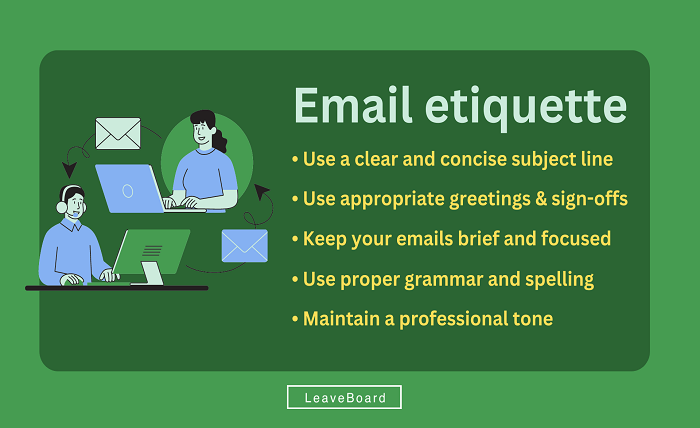
Email etiquette refers to the set of rules and best practices that guide how we write and respond to emails in professional and personal communication. Understanding email etiquette is essential in today’s digital world because emails are often the first impression you make on colleagues, clients, or employers. Good email etiquette ensures your message is clear, respectful, and effective, while poor email etiquette can lead to misunderstandings or damage your professional reputation.
Email etiquette matters because email is still one of the most widely used communication tools in business. Whether you are applying for a job, communicating with a team, or handling customer inquiries, proper email etiquette helps you present yourself as organized and professional. Without strong email etiquette, even a well-written message can appear confusing or rude.
Another important reason email etiquette is crucial is that it saves time. When you follow proper email etiquette, your messages are easier to read and respond to, which improves productivity for both you and the recipient. Clear communication reduces back-and-forth confusion and helps projects move faster.
In addition, email etiquette helps build trust. People are more likely to take your messages seriously when you consistently follow professional email etiquette standards. This includes using appropriate greetings, structured content, and polite language. Over time, strong email etiquette contributes to better relationships and stronger networking opportunities.
Core Principles of Email Etiquette
The foundation of email etiquette begins with clarity and respect. Every message you send should have a clear purpose, and good email etiquette ensures that your intent is immediately understandable. This means avoiding unnecessary words and focusing on the main point of your message.
Another core principle of email etiquette is professionalism. Even when writing a casual email, maintaining a respectful tone is important. Email etiquette requires you to avoid slang, offensive language, or overly informal expressions unless appropriate for the context.
Timeliness is also a major part of email etiquette. Responding to emails within a reasonable time frame shows respect for the sender and demonstrates reliability. Good email etiquette suggests replying within 24–48 hours whenever possible, even if it is just to acknowledge receipt.
Consistency is another important principle of email etiquette. Using consistent formatting, greetings, and signatures helps create a professional identity. People recognize your communication style, and strong email etiquette builds credibility over time.
Finally, email etiquette emphasizes audience awareness. You should always consider who you are writing to before composing your message. Proper email etiquette adjusts tone and detail depending on whether you are emailing a manager, colleague, or client.
Subject Lines and Email Structure in Email Etiquette
Subject lines are one of the most important elements of email etiquette because they determine whether your email gets opened or ignored. A strong subject line in email etiquette should be short, specific, and relevant to the content of the message. For example, instead of writing “Update,” email etiquette recommends “Project Update – Marketing Campaign Status.”
Proper structure is also essential in email etiquette. A well-structured email typically includes a greeting, introduction, body, and closing. Following this format ensures that your message is easy to follow and professional. Email etiquette emphasizes logical flow so the reader can quickly understand your point.
In email etiquette, the opening line should set the tone and purpose of the message. A polite greeting such as “Dear Mr. Ahmed” or “Hello Team” is standard practice. Email etiquette discourages skipping greetings, especially in formal communication.
The body of the email should be concise but informative. Good email etiquette suggests using short paragraphs and bullet points when necessary to improve readability. Long, unstructured emails are often ignored or misunderstood.
Finally, email etiquette requires a proper closing. Ending your email with phrases like “Best regards” or “Sincerely” reinforces professionalism. Including your name and contact details is also a standard part of email etiquette.
Tone, Language, and Professionalism in Email Etiquette
Tone plays a critical role in email etiquette because written communication lacks vocal expression. Without proper tone control, emails can easily be misinterpreted. Email etiquette encourages a polite, neutral, and respectful tone in all messages.
Language choice is another key aspect of email etiquette. Using simple, clear, and professional language ensures your message is understood by all readers. Email etiquette advises avoiding jargon unless you are sure the recipient understands it.
Professionalism in email etiquette also includes avoiding emotional or aggressive language. Even when dealing with difficult situations, maintaining calm and respectful communication is essential. Strong email etiquette helps prevent conflict and encourages constructive responses.
Another important factor in email etiquette is personalization. Addressing the recipient by name and acknowledging their role or contribution adds a human touch. Email etiquette teaches that personalization improves engagement and response rates.
Lastly, punctuation and grammar are vital in email etiquette. Poor grammar can make even important messages look unprofessional. Careful proofreading is a basic but essential rule of email etiquette.
Common Mistakes to Avoid in Email Etiquette
One of the most common mistakes in email etiquette is sending unclear or vague messages. Emails that lack detail often lead to confusion and unnecessary follow-ups. Good email etiquette requires clarity from the beginning.
Another mistake in email etiquette is using an inappropriate tone. Being too casual or too aggressive can damage relationships. Proper email etiquette ensures that tone matches the context and audience.
Ignoring subject lines is another violation of email etiquette. A missing or irrelevant subject line can make your email look unprofessional or cause it to be overlooked. Email etiquette always prioritizes clear subject lines.
Overusing CC and Reply All is also a common problem in email etiquette. Including unnecessary recipients can clutter inboxes and reduce efficiency. Email etiquette recommends using these features only when necessary.
Finally, forgetting attachments is a frequent error in email etiquette. Always double-check that all required files are included before sending. This simple habit reflects strong email etiquette and attention to detail.
Email Etiquette for Business and Workplace Communication
In business settings, email etiquette becomes even more important because it directly affects professional relationships and productivity. Workplace email etiquette requires clarity, formality, and efficiency in all communication.
One key aspect of business email etiquette is respecting hierarchy. When communicating with managers or executives, email etiquette suggests using more formal language and structured messages. This shows professionalism and respect.
Another important rule of workplace email etiquette is responsiveness. Prompt replies demonstrate reliability and commitment. Strong email etiquette helps maintain smooth workflows and avoids delays in decision-making.
Confidentiality is also a critical part of business email etiquette. Sensitive information should be handled carefully, and emails should only be shared with appropriate recipients. Email etiquette emphasizes responsibility in communication.
Additionally, workplace email etiquette encourages positivity and solution-oriented language. Instead of focusing on problems, effective email etiquette promotes constructive suggestions and teamwork.
Advanced Tips and Best Practices for Email Etiquette
Advanced email etiquette involves mastering timing, personalization, and strategic communication. Sending emails at appropriate times increases the chances of them being read and responded to. Email etiquette suggests avoiding late-night or irrelevant timing unless necessary.
Another advanced aspect of email etiquette is follow-up strategy. If you do not receive a response, polite follow-ups are acceptable. Good email etiquette recommends waiting a reasonable time before sending reminders.
Automation tools can also enhance email etiquette. Using templates for repetitive emails helps maintain consistency while saving time. However, email etiquette still requires personalization to avoid sounding robotic.
Emotional intelligence is another advanced skill in email etiquette. Understanding the recipient’s perspective helps you craft more effective messages. Strong email etiquette balances professionalism with empathy.
Finally, continuous improvement is key in email etiquette. Reviewing your past emails and learning from feedback helps you refine your communication skills over time.
Conclusion
Email etiquette is an essential skill in both professional and personal communication. Mastering email etiquette helps you write clearer, more respectful, and more effective messages. From subject lines to tone and structure, every aspect of email etiquette contributes to better understanding and stronger relationships. By consistently applying email etiquette principles, you can improve your credibility, efficiency, and communication success in any environment.
FAQs
1. What is email etiquette?
Email etiquette is the set of rules and best practices for writing professional and clear emails. Good email etiquette improves communication effectiveness.
2. Why is email etiquette important in business?
Email etiquette is important in business because it ensures professionalism, clarity, and respect in workplace communication.
3. How can I improve my email etiquette?
You can improve email etiquette by using clear subject lines, maintaining a professional tone, and proofreading your messages.
4. What are common email etiquette mistakes?
Common email etiquette mistakes include unclear messages, poor tone, missing attachments, and misuse of CC or Reply All.
5. Does email etiquette affect career growth?
Yes, strong email etiquette improves professionalism and communication skills, which can positively impact career growth and opportunities.