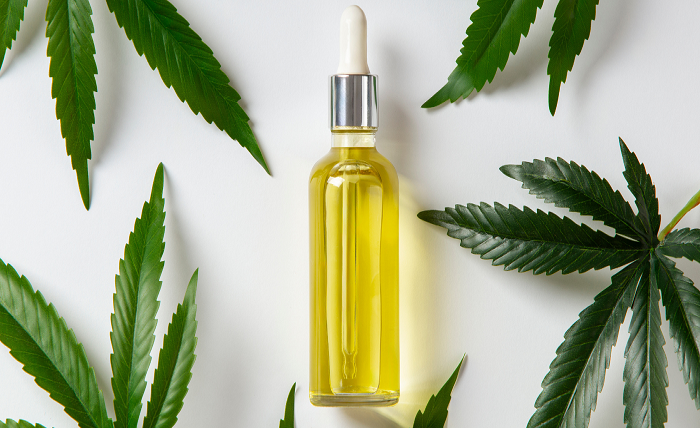
Cannabidiol, commonly known as CBD, is one of the many compounds found in the cannabis plant. Unlike THC (tetrahydrocannabinol), the well-known psychoactive compound in cannabis, CBD is non-psychoactive, which means it doesn’t produce a “high.” In recent years, CBD has gained significant attention for its potential health benefits and its ability to provide relief from various conditions. In this article, we’ll delve into what CBD is, its effects on the body, and how it has become a popular product available at CBD stores across the country.
What is CBD?
CBD is a chemical compound found in the cannabis plant. It is one of over 100 cannabinoids, which are naturally occurring compounds in cannabis. The cannabis plant contains both CBD and THC, but CBD is distinct because it does not cause the intoxicating effects commonly associated with marijuana. CBD is extracted from hemp plants, which are specifically bred to contain high levels of CBD and minimal THC.
CBD has been used for centuries in different forms, but its popularity surged in recent years when its potential therapeutic benefits were recognized. Unlike THC, which can cause psychoactive effects, CBD interacts with the body’s endocannabinoid system in a different way. The endocannabinoid system is responsible for regulating many of the body’s functions, including pain, mood, sleep, and appetite.
How CBD Affects the Body
When consumed, CBD interacts with the body’s endocannabinoid system to regulate various functions and maintain balance (homeostasis). The endocannabinoid system is made up of receptors found throughout the body, including the brain, immune system, and nervous system. These receptors respond to cannabinoids like CBD, which can influence a variety of biological processes.
One of the primary ways CBD affects the body is by promoting a sense of calm and relaxation. It is often used by individuals seeking relief from stress, anxiety, and insomnia. Many users report feeling a sense of relief and mental clarity after consuming CBD, making it a popular natural remedy for mental health support.
CBD is also known for its potential anti-inflammatory properties, making it useful for individuals experiencing pain or inflammation. Whether it’s joint pain, muscle soreness, or even chronic pain conditions like arthritis, CBD has shown promise in reducing discomfort. Studies suggest that CBD can interact with the body’s receptors to reduce inflammation and alleviate pain.
Furthermore, CBD is believed to have neuroprotective properties, which means it may help support brain health. There is emerging research suggesting that CBD could be helpful in the treatment of neurological conditions such as epilepsy, multiple sclerosis, and Alzheimer’s disease. In fact, one of the most well-known CBD-based medications, Epidiolex, was approved by the FDA to treat certain types of epilepsy.
The Many Forms of CBD
CBD is available in a wide variety of forms, which makes it accessible to many different people. From oils and tinctures to edibles, capsules, and topicals, there are numerous ways to consume CBD based on individual preferences and needs.
- CBD Oil/Tinctures: One of the most popular forms of CBD, oils and tinctures are typically taken sublingually (under the tongue), where they are absorbed quickly into the bloodstream. This method allows for fast-acting relief and is a convenient way to get an accurate dosage.
- CBD Edibles: CBD-infused foods like gummies, chocolates, and drinks have become increasingly popular. Edibles are a great way for those who dislike the taste of CBD oil to consume the compound. However, it’s important to note that edibles take longer to take effect compared to tinctures because they must be digested first.
- CBD Capsules and Softgels: For those who prefer a more traditional supplement form, CBD capsules and softgels offer a convenient and discreet way to consume CBD. These products are often pre-measured, making it easy to control the dosage.
- CBD Topicals: Topical products like creams, lotions, and balms are ideal for targeted relief of localized pain or skin issues. These products allow CBD to be absorbed directly into the skin, where it interacts with cannabinoid receptors to provide relief.
- CBD Vapes: Vaping CBD is one of the quickest ways to experience its effects. The vaporized CBD enters the bloodstream almost immediately, making it an effective option for those seeking rapid relief.
Where to Buy CBD
CBD is now widely available, both online and in physical stores. The growing demand for CBD products has led to the emergence of numerous specialized CBD stores. These stores offer a variety of CBD products, from tinctures and oils to edibles, topicals, and even pet products. When shopping for CBD, it’s essential to choose a reputable source to ensure product quality and safety.
Many people prefer purchasing CBD from a trusted CBD store because these retailers often provide lab-tested products with detailed ingredient lists. Lab tests, or Certificates of Analysis (COA), ensure that the products contain the advertised levels of CBD and are free from harmful contaminants such as pesticides, heavy metals, or residual solvents.
CBD stores also offer a variety of products tailored to different needs. Whether you’re looking for CBD for relaxation, pain relief, or skincare, these stores often have knowledgeable staff who can help you choose the right product for your specific needs. Additionally, some CBD stores offer online shopping options, making it easier for consumers to purchase products from the comfort of their homes.
The Legal Status of CBD
CBD derived from hemp is legal under federal law in the United States, thanks to the 2018 Farm Bill, which legalized hemp-derived products containing less than 0.3% THC. However, it’s important to note that the legal status of CBD can vary from state to state, so it’s crucial to check your local regulations before purchasing CBD products.
CBD products made from marijuana plants, which contain higher levels of THC, remain illegal in some states, though they are legal in others where recreational or medicinal marijuana use is permitted.
Potential Side Effects of CBD
While CBD is generally well-tolerated, it can cause side effects in some people. Common side effects include fatigue, changes in appetite, and digestive issues such as diarrhea or nausea. It’s always a good idea to start with a low dose of CBD and gradually increase it to avoid any adverse reactions.
CBD can also interact with certain medications, including blood thinners, so it’s essential to consult with a healthcare provider before adding CBD to your routine, especially if you’re on prescription medications.
Conclusion
CBD is an exciting compound that has garnered attention for its potential therapeutic benefits. Whether you’re looking for relief from pain, anxiety, or sleep issues, CBD offers a natural alternative that is non-psychoactive and generally well-tolerated. With a variety of consumption methods available, finding the right CBD product for your needs is easier than ever, and with many reputable CBD stores offering a range of high-quality products, you’re sure to find one that suits your lifestyle. Always ensure that you’re buying from a trusted source, and consider speaking with a healthcare professional to ensure that CBD is the right fit for your wellness routine.