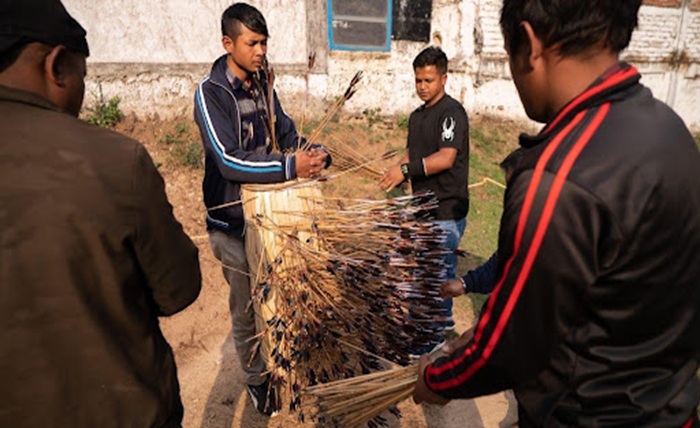
Teer, derived from the Hindi word for “arrow,” is a distinctive archery-based numbers game deeply rooted in the cultural traditions of Meghalaya, particularly among the Khasi community in Shillong. Unlike conventional lotteries that rely on random draws or machines, Teer outcomes emerge from a live sporting event: licensed archers shoot arrows at a cylindrical straw or bamboo target, and the last two digits of the total successful hits determine the winning number between 00 and 99. This blend of traditional skill, community participation, and regulated betting has made Teer a significant part of daily life and local economy in the region. Understanding Teer counters and the methods behind number predictions helps players approach the game with greater awareness while recognizing its inherent element of chance.
What Are Teer Counters?
Teer counters are the authorized points of sale where participants purchase tickets or place bets on their chosen numbers. These counters are scattered across Shillong and other parts of Meghalaya—estimates often place the number in the thousands statewide—ranging from small roadside stalls and tea shops to more established kiosks. Each legitimate counter operates under a license issued by the state taxation or relevant regulatory department, ensuring compliance with Meghalaya’s laws governing the game of arrow shooting and the sale of Teer tickets.
A typical day at a Teer counter begins well before the archery sessions. Players select one or more two-digit numbers and place stakes that can start as low as one rupee. Counters record the bets, issue slips, and later facilitate prize claims for winning tickets. Officials from the organizing associations, such as the Khasi Hills Archery Sports Association, oversee the process, and a portion of proceeds supports the archers and administrative costs. Spotting a legitimate counter is straightforward: look for the displayed license and clear record-keeping practices. Unlicensed operations risk legal issues and offer no protection for players.
Night Teer follows a similar structure but occurs in the evening hours, often with first-round (FR) and second-round (SR) timings later than the daytime sessions. This evening variant attracts players seeking additional opportunities after the main afternoon events, maintaining the same core rules of betting on the final two digits of arrow hits.
How Number Predictions Work in Teer
Because the result depends on the collective performance of dozens of archers in real time, no method can guarantee the outcome. Still, many experienced players and analysts study patterns to generate “common numbers,” also called hit numbers or target numbers. These are not official results but analytical references derived from historical data.
Common approaches include:
- Historical frequency analysis: Reviewing the past 7, 30, or more days of FR and SR results to identify numbers, house digits (the first digit of the two-digit result), or ending digits (the second digit) that appear more often.
- Mathematical formulas: Simple operations on previous results—adding or subtracting digits from the prior day’s FR and SR—to produce candidate numbers.
- House and ending focus: Betting on a specific first digit (house) or last digit (ending) rather than a full two-digit combination, which some players find more manageable.
- Dream interpretations: In Khasi tradition, dreams are sometimes mapped to numbers (for example, certain animals, elements, or events corresponding to specific digits). This cultural element adds another layer of personal or community-based prediction.
- Direct, single, and double numbers: Direct hits refer to full two-digit predictions; singles highlight frequently occurring digits; doubles (such as 00, 11, 22) are popular because repeated digits appear regularly in historical charts.
These techniques produce daily lists of suggested common numbers for Shillong Teer, Night Teer, and related variants such as Khanapara or Juwai Teer. Websites and local experts update them regularly, often separating morning, afternoon, and night sessions. Players use the lists as one input among many, frequently combining them with personal observation or spreading small stakes across several numbers rather than concentrating on a single pick.
It is essential to remember that Teer remains a game of chance. Past frequency does not alter the probability of future independent archery outcomes. Responsible players treat common numbers as informational tools rather than assured forecasts and never wager more than they can afford to lose.
Reliable Sources for Night Teer Information and Predictions
Access to timely results and analytical common numbers has become easier with online platforms. For those specifically seeking Shillong Night Teer hit numbers and related common-number updates, a dedicated resource is available at the shillong teer night hit number page. This site provides daily references for Night Teer, including direct, house, and ending suggestions calculated from recent result patterns.
Previously, many players turned to Feedinco for Teer displays, charts, and related information. Over time the Teer content and services that once appeared there have been transferred to Shinematch, which now hosts the focused Night Teer common-number pages and broader Teer coverage. Checking the updated destination ensures players receive the current data rather than relying on older locations.
Beyond any single site, cross-referencing official association announcements, licensed counter notices, and multiple independent analytical sources helps maintain a balanced perspective. Previous-result charts spanning weeks or months remain valuable for personal pattern study, while dream charts and community discussions add cultural context without promising certainty.
Practical Considerations for Players
Successful long-term engagement with Teer rests on clear habits:
- Purchase tickets only from licensed counters.
- Keep betting slips safe until results are confirmed and prizes claimed.
- Track personal records of selected numbers and outcomes to refine approach over time.
- View common-number lists and formulas as starting points for discussion rather than definitive answers.
- Stay within legal frameworks—Teer is regulated in Meghalaya and operates under specific state legislation; rules elsewhere may differ.
The social dimension of Teer is equally important. Counters often function as informal gathering spots, and the daily rhythm of archery sessions reinforces community ties. Archers themselves receive compensation, and the broader network of counters supports local employment.
In summary, Teer counters form the practical gateway to participation, while number predictions—whether derived from historical patterns, simple mathematics, or traditional dream associations—offer structured ways to engage with the game’s uncertainty. Platforms that once carried Teer information on Feedinco have transitioned those services to Shinematch, making the dedicated Shillong Night Teer hit-number page a convenient current reference. Approached with awareness of the rules, respect for the cultural roots, and realistic expectations about chance, Teer continues to hold its place as a unique and enduring tradition in Meghalaya. Always prioritize responsible play and verify information against official sources for the most accurate daily updates.